Movie directors, notorious for dominating sets, sometimes take their obsessive control into every aspect of their films, including the way the titles appear on the screen. Of these, a special few stand out in their use of fonts on film:
Stanley Kubrick: Futura
Directed some of the greatest films of the late 20th century, including 2001: A Space Odyssey, Dr. Strangelove, and Full Metal Jacket. Writing, producing and directing almost all of his work himself, Kubrick fixated early on using Futura for many of his features, starting with Killer’s Kiss in 1955.
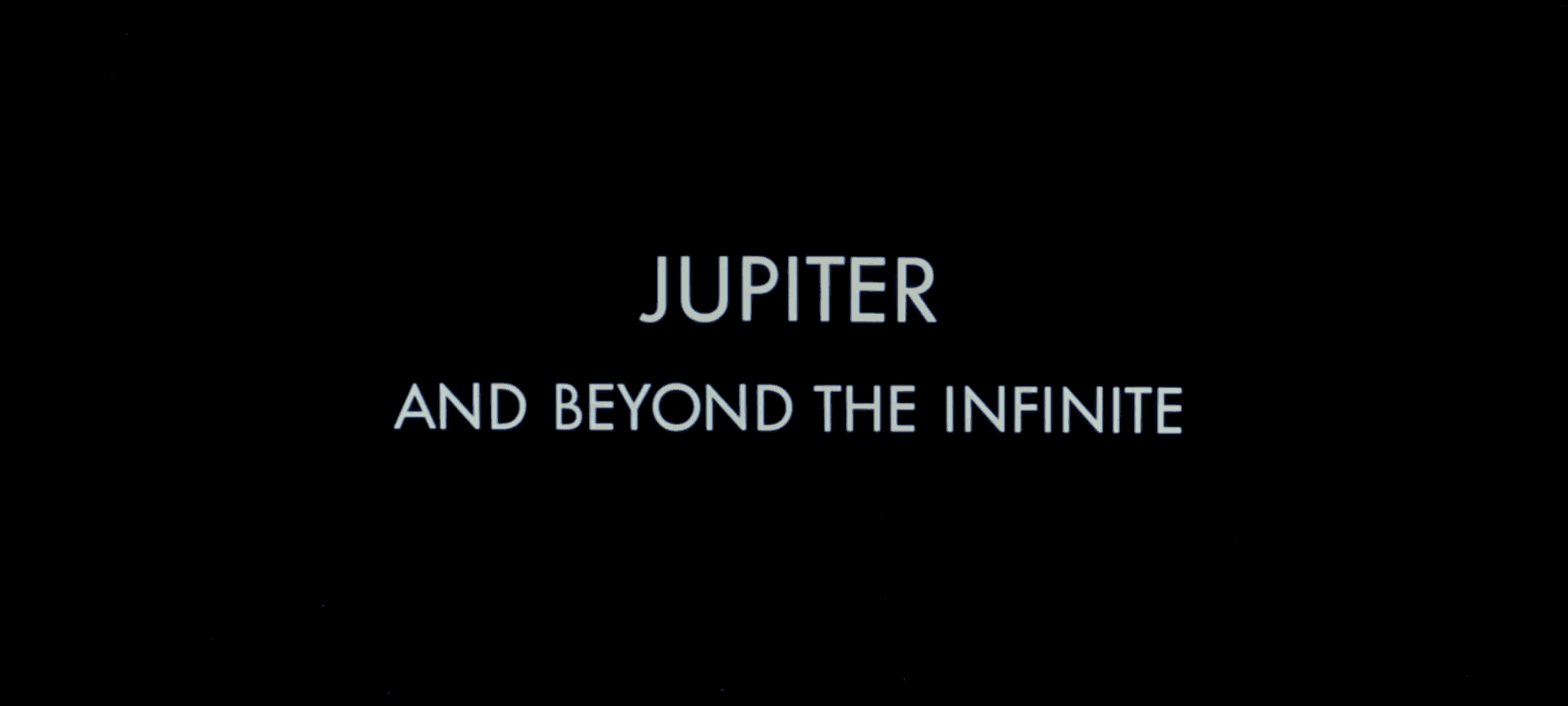
However, he didn’t use Futura exclusively, or even in the majority of his movies: many film titles where hand-lettered, while others used different typefaces between the trailer, film title and poster, or used fonts more relevant to the period (Barry Lyndon being one example).
John Carpenter: Albertus
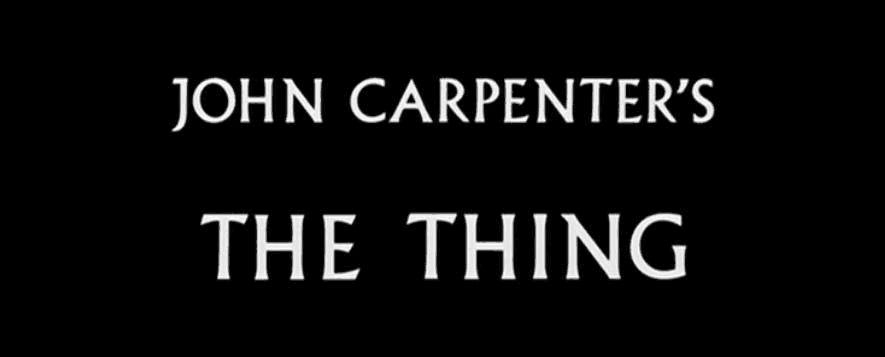
The director of Escape From New York, Big Trouble In Little China and The Thing found Albertus early on, and has used it consistently in titling almost every movie he has ever made, where it appears as fixed white text on a black background. Interestingly, Albertus is also the brand font for The Hobbit film series directed by Peter Jackson.
Woody Allen: Windsor
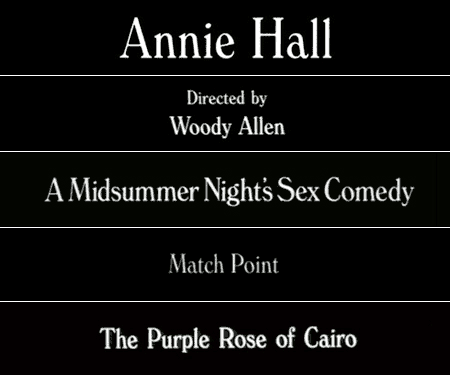 Since 1977’s Annie Hall, Allen has used Windsor Light Condensed in white against black for titling almost exclusively.
Wes Anderson: Futura
Anderson has a particular, model-maker’s attention to detail in each of his films, which echoes in his choice of typography: like Kubrick, he has used Futura extensively since his first feature, often combining it with unique hand-lettering (such as the wonderful work by Jessica Hische on the credits of Moonrise Kingdom). Notably, he switched to Archer for The Grand Budapest Hotel.
More Resources
Christian Annyas runs an excellent blog focusing on all things typographic in the cinema. I’d also consider Art of the Title and Typeset In The Future to be required reading for anyone interested in fonts on film.